

Ryan Zavodnick | March 8, 2026 | Uncategorized
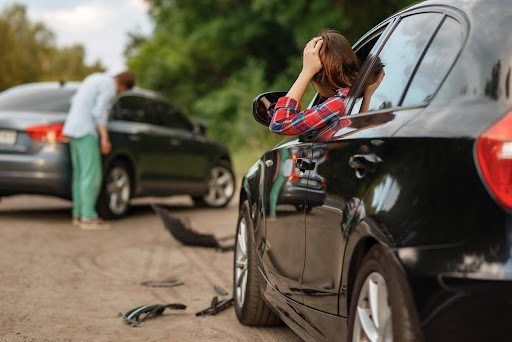
The National Highway Traffic Safety Administration (NHTSA) reported that an estimated 17,140 people lost their lives in motor accidents in the first six months of 2025. While this estimate is down by 8% from the previous year, the risk for car accidents in the United States is still worth considering. One of the causes of such accidents is failure to check a car’s blind spots. Blind spot accidents can have significant consequences in Philadelphia, so it is important for drivers to understand the causes and potential legal remedies.
For Philadelphia residents injured in accidents caused by blind spots, skilled legal representation may help the victim pursue fair compensation. Zavodnick & Lasky has won over $75 million for clients in total, and has a combined 95 years of law experience. A personal injury attorney in Philadelphia can help evaluate car accident claims, negotiate with insurance companies, and navigate the court process. Call the Philadelphia office at (215) 774-6467 today for a free consultation.
How Do Blind Spots Cause Accidents?
Failure to properly check blind spots can cause accidents in many ways, including sideswipes, turning accidents, and reversing accidents. The structure of most vehicles naturally limits visibility, and while this is mitigated with mirrors and assistive technology, maintaining awareness of surroundings is imperative for avoiding accidents. If a driver is not monitoring their blind spots, they may collide with another vehicle that they did not see.
Summary of Blind Spot Accidents
Blind spot accidents in Philadelphia often occur when drivers fail to monitor areas around their vehicles that mirrors and technology do not fully cover, leading to preventable collisions and injuries.
- Blind spot-related crashes commonly include sideswipe accidents during lane changes, reversing accidents in parking areas, and turning accidents where right-of-way rules may affect liability.
- Larger vehicles, including commercial trucks, present increased blind spot risks, and trucking accidents may involve complex liability questions that extend beyond the driver to other responsible parties.
- While blind spot warning and assist systems can reduce collision risks, drivers generally remain responsible for maintaining awareness and may still face liability if negligence contributes to an accident.
Zavodnick & Lasky represents individuals in Philadelphia and surrounding Pennsylvania communities in personal injury matters, including motor vehicle accidents involving blind spots.
Common Accidents Caused by Blind Spots
Cars have three major blind spots: two on the right and left of the vehicle towards the rear, and one directly behind the vehicle. Trucks and other larger vehicles may have more or larger blind spots, however. While modern vehicles have mirrors and other electronic sensor systems to prevent accidents, unaware drivers could still cause an accident if they are negligently ignoring their blind spots. Car crashes caused by blind spots generally fall into three categories, based on the direction of the collision.
Sideswipes
Sideswipe accidents are one of the more common blind spot accidents, and are most frequent during merges, lane changes, and other similar situations. When a driver is unaware of cars in their blind spot and attempts to change lanes, they may collide with the side of the other vehicle, leading to a sideswipe accident. At low speeds, these accidents typically have mild injuries and less property damage, but at higher speeds, a sideswipe could cause a vehicle to lose control.
Reversing Accidents
One of the largest blind spots in a vehicle is directly behind the car, which means reversing accidents are another common type of blind spot accident. These are most common in parking lots and similar areas where a vehicle may be backing up. Most reversing accidents happen at low speeds, but due to the high density of pedestrians in parking lots, they can still lead to serious injuries and potential property damage.
Turning Accidents
While similar to sideswipe accidents, turning accidents may be distinct in a legal case due to road laws and posted signage. A turning accident may occur when a vehicle attempts a right or left turn, the driver neglecting to check their blind spots. This may lead the other vehicle to collide with the side of the turning vehicle, though right-of-way laws may determine who is actually liable for the accident.
For more detailed information on car accident laws in Philadelphia, speak with an experienced car accident attorney from Zavodnick & Lasky today.
Trucking Accidents and Blind Spots
The Federal Motor Carrier Safety Administration (FMCSA) recommends that drivers take extra caution when driving past semi-trucks due to their large blind spots. Victims of trucking accidents caused by blind spots may want to consider the legal implications of trucking accidents on their claim. Trucks, naturally, have much larger blind spots than cars and are thus more prone to blind spot related accidents. The large loads that most trucks haul can also lead to more severe injuries and property damage. Additionally, legal liability for trucking accidents is much more complex because multiple parties who are not the driver may be liable for the accident. The trucking company, loading company, maintenance manager, and more could also be held liable for the accident, provided certain facts of the case implicate their negligence.
How to Prevent Blind Spot Accidents
A driver’s first defense against blind spot accidents is their awareness. Most car accidents caused by blind spots happen because one or more of the drivers involved is not paying close attention to their blind spots. This means that drivers would do well to monitor both their own blind spots and take extra caution when they are in others’ blind spots. Active awareness and defensive driving, along with adhering to other road safety laws, can help prevent accidents caused by blind spots.
Blind Spot Warning (BSW) and Blind Spot Assist (BSA) in Accidents
However, many newer vehicles come equipped with warning systems that help prevent blind spot accidents, according to Consumer Reports. Blind spot warning systems notify drivers when there are vehicles in their blind spots to help prevent accidents. Blind spot assist systems use assistive steering to correct the vehicle’s path if the driver attempts to turn or change lanes when a vehicle is in their blind spot. However, are drivers still liable for an accident if their blind spot monitoring malfunctions? While these systems are effective at helping prevent accidents, the driver is held liable for their own negligence. Relying too heavily on blind spot monitoring systems could lead to legal liability if the driver causes an accident due to faulty monitoring.
Speak with a Skilled Pennsylvania Vehicle Accident Attorney
Car accidents caused by blind spots can lead to injuries and property damage, and the legal and financial fallout can quickly grow from inconveniencing to overwhelming. Fortunately, a Philadelphia car accident lawyer from Zavodnick & Lasky can help navigate the process and provide sound legal insight. As much of the legal process after a car accident involves negotiations with insurance claims adjusters, having a seasoned attorney on your side can be an incredible help. Schedule a free initial consultation with a personal injury attorney today at (215) 774-6467.
Important FAQs Regarding Blind Spots and Accidents
Victims of blind spot car accidents may have questions about how to navigate their situation. The answers listed below may help by providing clarity.
What Is a Blind Spot in a Motor Vehicle?
A blind spot is an area around a vehicle that the driver cannot easily see using standard mirrors alone. These areas typically exist along the sides of the vehicle toward the rear and directly behind the vehicle.
How Do Blind Spots Lead to Car Accidents?
Blind spots can lead to accidents when a driver changes lanes, turns, or reverses without detecting another vehicle, cyclist, or pedestrian. Common outcomes include sideswipes, low-speed parking lot collisions, and more serious crashes at higher speeds.
What Types of Accidents Are Commonly Caused by Blind Spots?
The most frequent blind spot accidents include sideswipe collisions, reversing accidents, and turning accidents. Each type may involve different traffic laws and factual considerations when determining liability.
Are Truck Blind Spots More Dangerous Than Car Blind Spots?
Commercial trucks generally have larger and more numerous blind spots than passenger vehicles. These conditions can increase the severity of accidents and may introduce additional legal complexity due to the involvement of multiple potentially responsible parties.
Can Blind Spot Warning Systems Prevent All Accidents?
Blind spot warning and assist systems can help reduce the risk of collisions by alerting drivers to nearby vehicles. However, these systems do not replace attentive driving, and drivers may still be held responsible if negligence contributes to an accident.
Who May Be Liable for a Blind Spot Accident?
Liability often depends on the specific facts of the collision, including driver behavior, traffic laws, and road conditions. In trucking cases, liability may extend beyond the driver to include companies responsible for vehicle operation, loading, or maintenance.
How Can Blind Spot Accidents Be Prevented?
Preventative measures include consistent mirror checks, head checks before lane changes or turns, and defensive driving practices. Increased awareness of both personal blind spots and those of other vehicles can reduce collision risks.
How Can Zavodnick & Lasky Assist With Blind Spot Accident Cases?
Attorneys at Zavodnick & Lasky could help individuals injured in blind spot accidents understand potential legal options, evaluate liability issues, and navigate insurance and claims processes. Consider visiting with an experienced attorney at Zavodnick & Lasky to learn more about available legal paths following a Philadelphia-area motor vehicle accident.
