

Ryan Zavodnick | June 21, 2026 | Motorcycle Accident
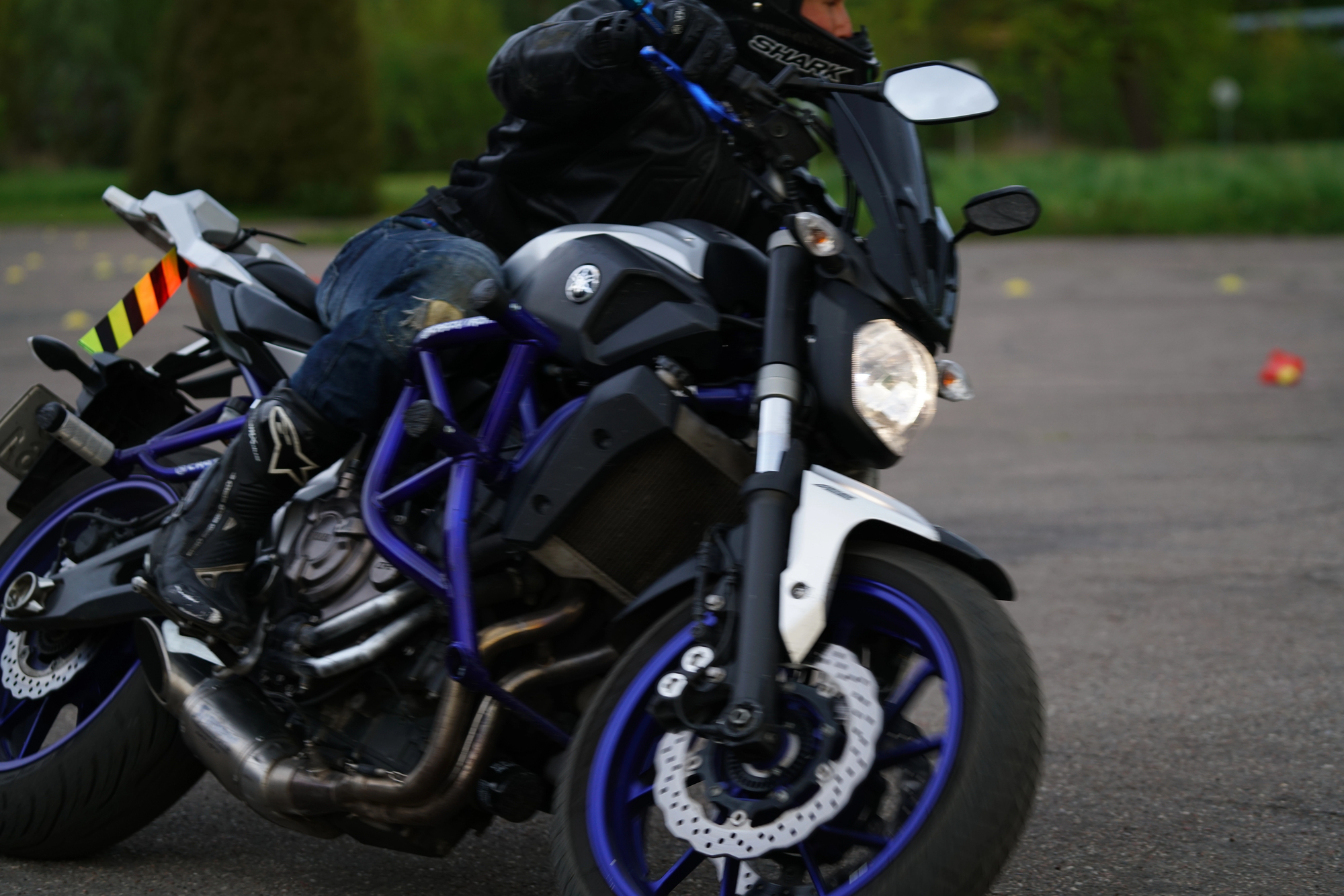
A motorcycle crash bar is a piece of equipment that many riders use on their motorbikes to reduce damage to the vehicle and protect against injuries in a crash. Sometimes called engine guards, case guards, or highway bars, these parts often have a mixed reputation among motorcyclists, who often debate the benefits of using a crash guard or not while riding in Pennsylvania. While the safety benefits of one part may seem insignificant to the casual eye, taking the time to investigate the benefits could help save time and money in a legal claim after a motorcycle accident. With more than 785,000 licensed motorcyclists in the state, according to the Commonwealth of Pennsylvania, understanding how to mitigate injuries in an accident is paramount.
For motorcycle accidents in Philadelphia, with or without a motorcycle crash bar or without, many people choose to seek the guidance of skilled personal injury attorneys while navigating legal procedure and settlement negotiations. Zavodnick & Lasky brings more than 95 years of combined legal experience, with which the firm has recovered more than $75 million for clients, to help support victims of motorcycle accident injuries in Philadelphia and the surrounding areas. Contact our office today by calling (215) 774-6467 to learn more about your legal rights.
How Do Motorcycle Crash Bars Work?
A motorcycle crash bar is a safety device comprised of a metal bar, typically of steel or aluminum, that extends beyond the sides of the motorcycle to help prevent the bike from crushing the rider or damaging the engine during a crash. Though they often vary in shape and size, the protrusions from the body of the motorcycle can help the bike remain upright in low-speed crashes and help protect a rider’s legs. Additionally, motorcycle crash bars may provide space to mount other equipment, like lights and more.
Summary of Using a Motorcycle Crash Bar
Motorcycle crash bars, also known as engine guards or highway bars, are optional safety devices that may reduce injury severity and property damage in motorcycle accidents.
- Motorcycle crash bars can help protect a rider’s legs and prevent engine damage during low-speed motorcycle accidents in Pennsylvania, particularly in urban areas like Philadelphia.
- Pennsylvania motorcycle equipment laws, including guidance from the PA Motorcycle Safety Program, do not require crash bars, but mandate safety standards for essential systems such as brakes, lights, and tires.
- Under 75 Pa. Code § 3525, Pennsylvania law requires helmets and protective eyewear for many riders, although certain exemptions apply for riders over 21 who meet licensing or training criteria.
Zavodnick & Lasky provides legal services for motorcycle accident claims in Philadelphia and surrounding Pennsylvania communities, assisting individuals in understanding their legal rights and potential compensation options.
Why Use a Motorcycle Crash Bar?
Using a motorcycle crash bar can improve rider safety at low speeds, but may also help reduce damage to the motorcycle. A crash bar may provide additional protection for a motorcyclist’s legs, potentially preventing a biker’s legs from being crushed by the bike. At lower speeds, the metal protrusions on the crash bar may help the bike remain upright or prevent the motorcycle from falling and trapping the rider beneath it. However, there is much debate among motorists over the efficacy of these measures. A crash bar is no substitute for effective protective gear and equipment like a helmet. The other key benefit of a crash bar or engine guard is protection against damage to the bike. Most engine guards surround vital pieces of the bike that are expensive to replace, providing additional protection to the engine and side casings. A crash bar or case guard could help reduce property damage after an accident.
Equipment Requirements for Motorcycles in Philadelphia
Safety equipment is essential for motorcyclists across the country, but each state has unique requirements for what gear and equipment are required. Understanding state regulations for motorcycle safety can help protect injured motorbikers from liability in the event of a motorcycle accident. Even safety measures that are not legally required, such as a motorcycle crash bar, could provide evidence to support a history of safe driving that could influence a case. Understanding state motorcycle safety requirements can be a significant benefit in a lawsuit or settlement negotiation.
For a detailed case review from a Philadelphia motorcycle accident attorney, contact Zavodnick & Lasky today.
Motorcycle Equipment Requirements
As with all vehicles, motorcycles must meet a certain standard to be considered road safe and permissible in Pennsylvania. The PA Motorcycle Safety Program provides detailed specifications for a road-safe motorbike. Motorcycles in the state may need to meet safety criteria for steering mechanisms, suspension systems, brakes, tires and wheels, headlights and taillights, glazing, mirrors, and more. Highway bars, another form of motorcycle crash bar, also have certain specification requirements if they are used on a bike. However, despite these criteria, a motorcycle crash bar is not required for motorbikes in Pennsylvania.
Rider Protective Gear Requirements
While most of the motorcycle equipment requirements relate to essential systems that would cause crashes should they malfunction, most do not relate directly to extra safety systems that can be added to a motorcycle. However, the state of Pennsylvania does require motorcyclists to wear certain protective gear while riding a motorbike. 75 Pa. Code § 3525 states that a motorcyclist must wear a helmet and protective eyewear while riding or operating a motorcycle. A large helmet with a visor may meet both of these requirements simultaneously. However, a rider can be exempt from this requirement if they are over 21 years of age and either complete a specified motorcycle safety course or have been licensed and riding a motorcycle for over two years.
However, while these requirements must be met for legal compliance, they typically only offer a minimal level of protection. Most motorcyclists recommend leather gloves and a jacket to protect against road rash, as well as additional protective gear like spine protectors and boots. Helmets and effective protective gear are often a motorcyclist’s best protection against motorcycle accident injuries.
Speak with a Skilled Pennsylvania Motorcycle Accident Lawyer Today
Motorcycle crash bars can be beneficial for protection against bodily injury and property damage in some types of motorcycle accidents. They are typically most effective in low-speed collisions or other minor accidents, but even these benefits could help prevent major injuries and reduce complications in a following legal claim. Understanding these benefits can help motorists determine the worth of using a motorcycle crash bar, as well as influence the details of a lawsuit for personal injury.
For motorcyclists injured in an accident, a skilled Philadelphia motorbike accident attorney from Zavodnick & Lasky may be able to help. Personal injury cases can be complex, particularly when severe injuries are involved, as is common with motorcycle accident cases. Consider scheduling an initial consultation with an attorney today, and call the Philadelphia office at (215) 774-6467. A motorcycle accident lawyer may be able to evaluate the impact of a motorcycle crash bar on your injury case.
Important FAQs About Motorcycle Crash Bars
The following FAQs address common legal and safety questions related to motorcycle crash bars, Pennsylvania motorcycle equipment requirements, and motorcycle accident claims in Philadelphia.
What Is A Motorcycle Crash Bar?
A motorcycle crash bar is a metal safety device attached to a motorcycle that helps reduce injury and property damage during low-speed motorcycle accidents in Pennsylvania. Crash bars, also called engine guards or highway bars, extend outward from the motorcycle frame to protect the engine and help prevent a rider’s legs from being trapped beneath the bike during certain collisions.
Are Motorcycle Crash Bars Required Under Pennsylvania Law?
Motorcycle crash bars are not required under Pennsylvania law, as state regulations focus on essential motorcycle equipment and rider protective gear rather than optional safety additions. The PA Motorcycle Safety Program outlines required standards for operational systems such as brakes, lighting, and tires, but does not mandate the use of crash bars or engine guards on motorcycles.
Do Motorcycle Crash Bars Improve Safety In Accidents?
Motorcycle crash bars may improve safety in certain motorcycle accidents, particularly low-speed collisions, by helping reduce leg injuries and limiting damage to critical motorcycle components. Crash bars can help keep a motorcycle more stable during minor incidents, but they do not replace helmets or protective gear required under Pennsylvania law.
What Protective Gear Is Required For Motorcyclists In Pennsylvania?
Pennsylvania law under 75 Pa. Code § 3525 requires many motorcyclists to wear helmets and protective eyewear while operating a motorcycle, with specific exemptions for qualified riders over age 21. Riders who complete an approved safety course or meet experience requirements may qualify for helmet exemptions, although protective gear remains a critical safety measure in motorcycle accidents.
Can A Motorcycle Crash Bar Affect A Personal Injury Claim In Philadelphia?
A motorcycle crash bar may influence a personal injury claim in Philadelphia by providing evidence of safety precautions and potentially reducing the severity of injuries or property damage in a motorcycle accident. In Pennsylvania personal injury cases, details about motorcycle equipment and rider conduct may be evaluated during settlement negotiations or litigation.
What Motorcycle Equipment Is Required In Pennsylvania?
Pennsylvania motorcycle equipment requirements include functional brakes, steering systems, lighting, tires, mirrors, and other safety-related components necessary for roadworthiness under state regulations. The PA Motorcycle Safety Program provides guidance on these requirements, while optional equipment, such as crash bars, remains voluntary for motorcyclists.
Are Motorcycle Crash Bars Worth Using In Pennsylvania?
Motorcycle crash bars may be worth using in Pennsylvania for riders seeking additional protection against minor injuries and motorcycle damage during low-speed accidents or tip-over incidents. While not legally required, crash bars can provide practical benefits, though their effectiveness varies depending on crash conditions and riding circumstances.
How Can A Philadelphia Motorcycle Accident Lawyer Help After A Crash?
A Philadelphia motorcycle accident lawyer can help individuals understand Pennsylvania personal injury law, evaluate liability, and navigate settlement negotiations following a motorcycle accident. Consider visiting with an experienced attorney at Zavodnick & Lasky to learn more about available legal options related to motorcycle accident claims in Philadelphia and the surrounding areas.
