

Ryan Zavodnick | November 2, 2025 | Personal Injury \ Premises Liability
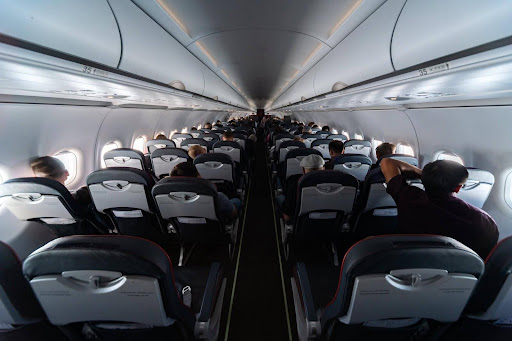
One of an airline’s legal duties relates to passenger safety, and while aviation turbulence rarely leads to injury, this means that legal liability for turbulence-related injuries might fall on airlines that fail to adopt necessary safety precautions. If injured while flying due to suspected negligence, consider contacting an experienced New Castle County, DE personal injury attorney. Call the law offices of Zavodnick & Lasky today at (302) 884-6752 to arrange an initial consultation.
What Is Aviation Turbulence?
Turbulence refers to irregular air movement caused by vertical currents and whirling air patterns, or eddies, as defined by the National Weather Service. Often associated with atmospheric factors, such as wind shear, thunderstorms, and fronts, turbulence can range from inconsequential but uncomfortable shaking to serious incidents that may cause aircraft instability and/or structural damage. Four categories of turbulence intensity exist, as outlined below:
- Light: Resulting in minor bumpiness or attitude/altitude changes, passengers experiencing light turbulence usually encounter slight seatbelt strain.
- Moderate: The effects of moderate turbulence are similar to light turbulence, except they are slightly more severe. Passengers are likely to experience increased seatbelt strain, and unsecured objects may move/fall.
- Severe: Here, the turbulence can lead to severe and sudden attitude/altitude changes, increasing the chance of injury.
- Extreme: In extreme cases, turbulence may cause violent aircraft movements, with the pilot not being able to control the plane. This type of turbulence might structurally damage aircraft.
What Are the Injuries Caused by Aviation Turbulence?
In-flight turbulence causes many non-fatal injuries annually to passengers and flight attendants on passenger airlines. According to the Federal Aviation Administration (FAA), passengers can avoid turbulence-related injuries by always using their seat belt, listening to flight attendant and pilot instructions, watching and listening to safety briefings, reading safety materials, and complying with carry-on luggage restrictions. However, even when following this advice, accidents can still happen; some examples of the injuries sustained by aircraft turbulence are as follows.
Head and Neck Injuries
During turbulence, the plane can jerk suddenly, which can cause occupants to suffer whiplash or neck strain. Concerning head injuries, turbulence might mean passengers collide with windows and seat backs headfirst, and luggage could fall and hit the heads of passengers and cabin crew, particularly in the event of the overhead storage compartment doors malfunctioning.
Broken Bones
Severe turbulence might launch passengers into the aircraft’s walls and cabin floor. In addition, it can lead to aircraft service trolleys rolling down aisles and striking passengers’ hands, feet, and elbows, potentially resulting in fractures and/or broken bones.
Soft Tissue Damage
Turbulence can cause aircraft to experience sudden altitude changes in rapid succession. Passengers or cabin crew standing during this time may damage the soft tissue in their ankles and knees while trying to maintain balance.
Slips and Falls
Standing passengers/cabin crew members may fall forward, backward, or into another passenger or cabin crew member. If a passenger is traveling to or from the restroom when turbulence hits, they could lose their footing and fall into the walls, the door, or the sink.
Gain a more detailed understanding of legal liability for passenger injuries from aviation turbulence. Contact a Wilmington, DE personal injury attorney from Zavodnick & Lasky today.
Are Airlines Liable for Turbulence Injuries?
The FAA governs air travel within the United States and establishes regulations designed to keep passengers safe, including those pertaining to turbulence management. If airlines do not comply with these regulations, they could be liable for passenger injuries. Below is an overview of the responsibilities of cabin crew, as well as operations and maintenance teams, in relation to turbulence.
Cabin Crew
Pilots must monitor weather conditions by checking forecasts and weather reports prior to and during flights, and if they expect turbulence, they must reasonably attempt to avert it. If this is not possible, then the crew has to announce the expected turbulence to passengers and make sure that passengers follow safety instructions, such as fastening their seatbelts and securely stowing carry-on luggage. Sometimes, however, aircraft can experience unexpected turbulence; in these instances, cabin crew should implement proactive risk management protocols to prevent injuries, such as asking passengers to stay seated as much as possible and securing food and beverage trolleys.
Operations and Maintenance
One of an airline’s key responsibilities is aircraft maintenance and ensuring its planes are safe to operate. This involves checking seatbelt and overhead bin functionality and performing routine aircraft inspections. Airlines that neglect maintenance could be liable for turbulence injuries if the injury took place due to malfunctioning equipment, such as a seatbelt.
Legal Liability Principles and Aviation Turbulence
Several key legal principles may apply to turbulence injuries and help establish liability. These are as follows.
Negligence
Negligence takes place when one party owes another a duty of care, and the offending party violates that duty, resulting in the other party suffering harm; in this instance, the airline owes passengers a duty of care to take reasonable steps to ensure their safety during air travel. To hold airlines responsible for turbulence-related injuries, injured parties must demonstrate that the airline (including crew members) acted negligently. Some examples include not warning passengers about expected turbulence, not switching on the seatbelt sign when anticipating turbulence, and incorrectly stowing items that later strike passengers during turbulence.
Importantly, Delaware adopts the doctrine of modified comparative negligence. Injured parties who are partially at fault may find they can only recover compensation in proportion to their fault percentage, but they cannot recover damages if they contributed to the negligence more than the defendant.
Product Liability
Parties injured during turbulence might be able to bring a product liability case against an aircraft and/or aircraft equipment manufacturer if faulty equipment caused their injuries. This typically involves proving there was an equipment defect immediately after manufacturing, rather than an equipment issue that appears after some time.
Strict Liability
Airlines could be strictly liable for turbulence injuries if their actions directly harmed the injured party, irrespective of negligence or intent. For instance, if the aircraft had a defective component that worsened the effects of the turbulence, the manufacturer and/or airline might be strictly liable.
Common Carrier
Deemed common carriers, airlines owe passengers a greater duty of care. This means that courts expect airlines to adhere to strict passenger safety standards, which simplifies the process of demonstrating liability for passengers in claims involving misconduct or negligence.
Issues With Determining Legal Liability in Aviation Turbulence Accidents
Passengers injured on aircraft during turbulence might encounter challenges with proving liability, which is where consulting with a Delaware personal injury attorney can be helpful. Some of these obstacles include turbulence’s unpredictability; its uncontrollable and sudden nature means it can be difficult to demonstrate negligence. Airlines might also argue that they complied with all safety protocols, and that this means they are not liable, or they could state that the passenger failed to heed safety advice, like not wearing their seatbelt, in which case the airline might attempt to argue that the passenger was more at fault for their injuries than the airline.
Contact an Experienced Delaware Passenger Injury Attorney Today
Travelling by plane is an important component of modern society, connecting individuals and locations around the world. While deemed a safe transportation method, injuries may still take place on passenger planes, which may leave injured parties wondering who is liable and what their legal rights are. To learn more about legal liability for passenger injuries from aviation turbulence, call Zavodnick & Lasky at (302) 884-6752 to discuss the case with a knowledgeable Newark, Delaware personal injury attorney.
