

Ryan Zavodnick | October 19, 2025 | Motorcycle Accident \ Product Defect
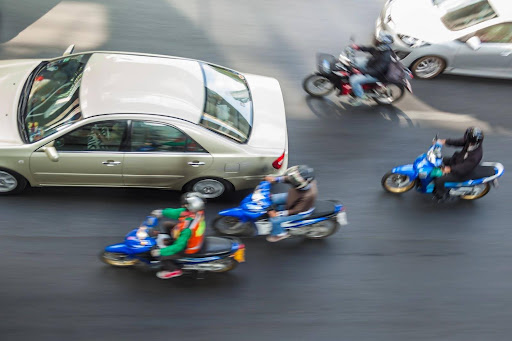
Motorcycles are an excellent option for inexpensive, small, and quick transportation. However, they can also be dangerous, with significant vulnerabilities compared to the cars, pickup trucks, and tractor-trailers they share the road with. Those vulnerabilities are why there are often questions about the legality of motorcycle lane splitting. While many motorcyclists and other drivers argue that it is a safe practice that can keep traffic flowing, others claim it is extremely dangerous and causes more accidents than it could possibly prevent. When riding a motorcycle, it is important to consider both whether an action is safe and whether it is legal. Engaging in an act that is both illegal and unsafe can add insult to injury, with the potential for legal fees, fines, and tickets on top of medical expenses and property damage in an accident. If you have been involved in a motorcycle accident from splitting lanes, call (302) 884-6752 and schedule a consultation with the motorcycle accident attorney at Zavodnick & Lasky in our Delaware office.
What Is Motorcycle Lane Splitting?
Motorcycle lane splitting is also referred to as lane sharing. In this practice, the motorcyclist drives between two lanes of traffic moving in the same direction, passing vehicles on both sides of the motorcycle.
Sometimes, lane splitting is also called lane filtering. While the practices are very similar, there is a slight difference between the two. Lane splitting is done at higher speeds, while lane filtering is done at lower speeds or when all other traffic is stopped. Lane filtering, due to the lower speeds or stopped traffic, may be a slightly safer practice, but filtering and splitting can both put the motorcyclist and other drivers at risk.
Reasons Motorcyclists Split Lanes
There can be many reasons motorcyclists split lanes. While some do it as a reckless act, performing stunts or weaving in and out of traffic quickly, most do it for legitimate reasons. Three of the most common reasons that motorcyclists split lanes are:
- Safety: Due to their smaller size, motorcycles are particularly vulnerable to being rear-ended in stop-and-go traffic. The lack of surrounding structure and seat belts increases the risks of serious injuries in these accidents. Motorcycle lane splitting allows motorcyclists to avoid the congestion and reduces their risk of being struck from behind.
- Reduced Congestion: Motorcycles’ smaller size allows them to navigate through traffic more easily than cars. By lane splitting, motorcycles create more space for other vehicles, which potentially improves overall traffic flow.
- Efficiency: When motorcycles split lanes, they can keep moving despite traffic moving slowly or being at a complete standstill. This can significantly reduce motorcyclists’ commute times in congested areas.
Is Lane Splitting Safe?
While many argue that lane splitting is safe, and it may be under the right circumstances, it does come with some inherent dangers. Lane sharing can be particularly dangerous if other drivers are not expecting it. A motorcycle’s smaller size can go unnoticed in heavy traffic when other drivers are looking to see where other cars and trucks are, and this can cause accidents when those drivers think they are clear to change lanes or take other actions, and a motorcycle is suddenly in the middle of the lanes.
Sudden lane changes, distracted driving, and narrow roadways can also increase the risk of accidents. Motorcyclists who want to share lanes must be aware of road conditions, weather conditions, and the actions of other drivers.
Is Lane Splitting Legal in Delaware?
Motorcycle lane splitting is not specifically prohibited by Delaware law, but it is not legally permitted either. In other words, the law does not say that it can or cannot be done, which makes it a gray area. This grayness means that motorcyclists are not just taking a safety risk, but also a legal risk, when engaging in lane sharing.
If law enforcement sees a motorcyclist engaging in the practice, it is up to the officer’s discretion how to handle it. If there is an accident, the motorcyclist will likely get a ticket. If there is no accident, the officer may or may not choose to ticket the motorcyclist. If law enforcement opts to ticket the motorcyclist, they may be ticketed for unsafe or reckless lane splitting, failure to maintain a lane, or improper passing. There may be additional charges if there was an accident.
What Happens If You Get in an Accident While Lane Splitting?
While lane sharing is not explicitly illegal, because it is not specifically permitted, it is a practice that can complicate matters if an accident results from it. In most cases, the motorcyclist is likely to be held responsible for some or all of the damages resulting from the accident. This is why it is essential that motorcyclists carry the minimum required insurance as indicated by the Delaware Division of Motor Vehicles (DMV). The DMV requires all vehicles registered in Delaware to carry a minimum of $25,000/$50,000/$10,000 in liability insurance and a minimum of $15,000 per person and $30,000 for all persons injured per accident in Personal Injury Protection (PIP). Failure to carry this insurance results in a $1,500 fine for the first offense and a $3,000 fine and vehicle registration suspension for all subsequent offenses.
Delaware also uses comparative negligence in determining fault in motor vehicle accidents per 10 Del. C. § 8132. This means that in an accident, even if the motorcyclist is found to be partially at fault, they can still recover damages as long as their amount of fault is less than the other driver’s or less than the combined fault of all other drivers if there were multiple other vehicles involved. Our skilled motorcycle accident attorney at Zavodnick & Lasky may be able to assist in finding evidence that shows more liability rests with the other driver or drivers in your accident.
What Motorcyclists Can Do to Be Safer
Since Delaware does not explicitly prohibit lane sharing, individual motorcyclists must decide whether the benefits of this practice outweigh the risks. If a motorcyclist does opt to engage in this practice, there are some things they can do to make it safer. Additionally, the tips provided for making lane splitting safer can be applied to riding a motorcycle in general.
When Lane Splitting
- Prioritize Visibility: Motorcycles’ smaller size makes them less visible to other drivers. Motorcyclists should prioritize visibility by wearing bright, contrasting gear, utilizing their headlights and other lights, and avoiding blind spots.
- Maintain Situational Awareness: Motorcyclists should remain aware of the traffic around them. Anticipate driver movements, be wary of gaps, and pay attention to vehicle body language for signs that a driver may cut them off or otherwise endanger them.
- Manage Speeds: If motorcyclists are going to split lanes, they should ensure they maintain speed with the other traffic (remaining within approximately 10 miles per hour). Motorcyclists should not split at excessive speeds, as it becomes more difficult for both motorcycles and other motor vehicles to control their vehicles for sudden stops, swerves, and other maneuvers.
- Communicate Clearly: While lane splitting, motorcyclists should ensure they clearly communicate their intentions. This includes using turn and hand signals to indicate lane changes and turns. Communication can also include making eye contact with drivers to ensure they see the motorcyclist and are aware of their intentions.
- Avoid Aggressive Driving: Lane splitting is already risky, so motorcyclists should avoid driving aggressively when doing it. This includes avoiding cutting off other drivers, speeding, riding too closely to the vehicles on either side, and trying to get through traffic signals before they turn red.
- Choose Optimal Conditions: Before engaging in lane splitting, motorcyclists should consider the optimal conditions. They should avoid adverse weather, be mindful of road surfaces, and avoid lane splitting in hazardous areas, such as construction and school zones.
Safer Options
There are safer options than lane splitting. These options can be used as alternatives instead of lane sharing, or they can be used in conjunction with it to reduce the risks associated with sharing lanes with much larger vehicles.
These options include:
- Motorcycle-Only Lanes: Instead of sharing lanes, motorcyclists can use motorcycle-only lanes, where available. These lanes allow motorcycle traffic to continue moving without endangering themselves or others by trying to thread their way between cars that may not be paying attention to notice them.
- Safe Following Distances: Whether following another motorcycle as they split lanes or following another motor vehicle, motorcyclists should ensure they maintain safe following distances. Because other drivers may not pay enough attention to motorcycles, motorcyclists must allow themselves ample room for braking and moving around other traffic to ensure their own safety.
- Defensive Riding Techniques: Motorcyclists should ensure they ride in a lane position that makes them visible to other drivers, pay extra attention at intersections, and adjust their riding as needed to suit weather or road conditions.
- Wearing Helmets and Other Safety Gear: As of September 1, 2023, the Delaware Department of Transportation and Division of Motor Vehicles announced a new law that requires anyone who gets their motorcycle endorsement on or after that date to wear a helmet and eye protection for the first two years after receiving their endorsement. This law also requires the same of their passengers. After the two years, Delaware requires motorcyclists to have a helmet in their possession and to wear eye protection. Motorcyclists and passengers under the age of 19 must wear both a helmet and eye protection. Other safety gear to consider includes a sturdy jacket and pants (often made of leather, and recommended to contain armor in key areas such as elbows and knees), gloves, and boots to protect against road rash and other injuries in an accident.
How a Delaware Motorcycle Accident Attorney Can Assist You
In Delaware, lane sharing or splitting is not expressly prohibited, but it is also not expressly permitted. This means tickets are at law enforcement’s discretion and any accidents that result may be deemed the motorcyclist’s fault. However, a skilled motorcycle accident attorney may be able to gather evidence and prove that you were not solely at fault, and that the other driver or drivers were more at fault than you were, even if you were sharing lanes. We may also be able to assist you in recovering damages for your injuries and property damage. Call Zavodnick & Lasky at (302) 884-6752 to speak with our Delaware attorney and learn more about how motorcycle lane splitting may affect the outcome of your accident claim.
