

Ryan Zavodnick | October 26, 2025 | Brain Injuries
According to the International Brain Injury Association, roughly 5.3 million Americans are currently living with a legitimate disability caused by a traumatic brain injury (TBI). The Centers for Disease Control and Prevention (CDC) also notes that there are almost 200 brain-injury-related deaths per day in the United States. If victims of brain injuries survive their initial accidents, they often face extensive medical bills, the end of their careers, and various psychological challenges. Financial support could be vital in this situation, and a brain injury lawsuit represents one potential pathway toward economic stability. When preparing to file a brain injury lawsuit, victims may wish to educate themselves about this legal process. While there is no need to become a legal scholar simply to file a lawsuit, a basic understanding of the road ahead could prove beneficial. Brain injury victims may also wish to work with brain injury lawyers in Philadelphia. These professionals may be able to provide education and guidance throughout the legal process. Continue this conversation by contacting Zavodnick & Lasky at (215) 774-6467.
Victims Should Seek Immediate Treatment After Suffering Brain Injuries
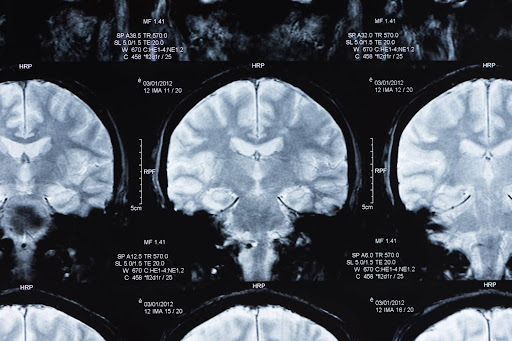
Before victims delve too deeply into the legal aspects of a brain injury lawsuit, they should prioritize their health. The legal details can wait, but a traumatic brain injury may be much more serious than it initially feels or appears. One potential consequence is intracranial hemorrhaging, which involves bleeding within the brain. Patients may experience virtually no symptoms while blood continues to accumulate in the brain, causing increasing amounts of pressure. This can be instantly fatal. Some patients have passed away without warning due to brain bleeds, weeks after suffering relatively light knocks to the head. Victims should seek medical care immediately after their accidents, regardless of how minor the injury feels at first. Only medical professionals can diagnose TBIs with technology such as magnetic resonance imaging (MRI) and computed tomography (CT) scans. New innovations in blood testing may also help detect life-threatening issues associated with TBIs.
Medical treatment is also crucial from a legal perspective. Whether a victim experiences a brain injury due to a car crash, slip and fall, or any other accident, medical records represent important evidence when filing a claim. Without medical records, it may be impossible to establish that the brain injury was caused by the accident. A victim may also struggle to establish the existence of the brain injury at all, since these are classic “invisible injuries” that do not outwardly manifest in the same way as broken bones or lacerations. In other words, it makes sense to seek treatment both from a legal perspective and a general health perspective.
Victims Should Understand the Various Damages Associated With Brain Injuries
In a brain injury lawsuit, “damages” represent the various losses a victim experiences due to their accident. These damages can be “economic” or “non-economic,” and brain injuries are often associated with numerous damages in both categories. A greater understanding of these damages may help victims approach an uncertain future with maximum financial security.
Economic Damages Associated With Brain Injuries
Brain injuries may lead to various economic damages for victims. This term refers to financial losses, such as medical bills and lost earnings. If a victim passes away due to a brain injury, economic damages might also include funeral costs. In this situation, the family of the victim may be able to claim these damages as part of a wrongful death lawsuit. Families may wish to contact Zavodnick & Lasky to learn more about wrongful death lawsuits after losing relatives to fatal brain injuries.
Economic damages associated with brain injuries can be ongoing. These injuries are often associated with years of rehabilitation, as victims may need to relearn how to talk, walk, eat, dress, and carry out many other daily tasks. Sometimes, rehabilitation continues for life. Income loss may also be a permanent financial burden for brain injury victims who become disabled.
Non-Economic Damages Associated With Brain Injuries
Brain injuries often lead to significant non-economic damages, which represent psychological/emotional issues rather than financial losses. TBIs are associated with post-traumatic stress disorder (PTSD), personality changes, increased aggression, social withdrawal, depression, anxiety, and more. Victims may wish to see mental health professionals to assess these potential issues and receive official diagnoses.
Loss of enjoyment of life is another potential damage associated with brain injuries. This damage may apply if brain injuries make certain activities impossible. These might include physically active pursuits like sports, hiking, working out at the gym, and so on. A brain injury might also rob victims of more intellectual pastimes, such as chess or puzzles. Non-economic damages can be complex and varied, and they depend on the specifics of each brain injury and the pre-injury lifestyle of the victim.
The Connection Between Brain Injury Lawsuits and Negligence
TBI victims must establish negligence in order to pursue compensation via personal injury lawsuits. In order to establish negligence, a victim generally needs to prove that someone else was responsible for their accident. In the context of a car accident, a negligent driver might commit a traffic violation before causing a brain injury. In the context of premises liability, a negligent store owner might leave a liquid spill on the floor, leading to a fall and subsequent brain injury. There are many other examples of how negligence can lead to brain injuries in Pennsylvania.
Learn More About Brain Injury Lawsuits With Zavodnick & Lasky
Many unanswered questions surround traumatic brain injuries, and even doctors who specialize in this field admit that they have much to learn. From a legal perspective, however, the laws and processes are relatively clear. While each brain injury is unique, Pennsylvania civil courts offer victims a clear pathway toward potential compensation, and this may be something victims wish to explore. Although there is no legal requirement to hire a lawyer to pursue compensation, many victims do so. Often, online research represents only the first step in the journey toward justice and closure – and a consultation with a lawyer could be the next stage in this process. The symptoms and challenges associated with TBIs vary tremendously, and a brain injury lawyer in Philadelphia may be able to address the unique concerns of a victim with personalized guidance. To explore this subject in greater depth, consider contacting Zavodnick & Lasky at (215) 774-6467.
