

Ryan Zavodnick | May 31, 2026 | Car Accidents
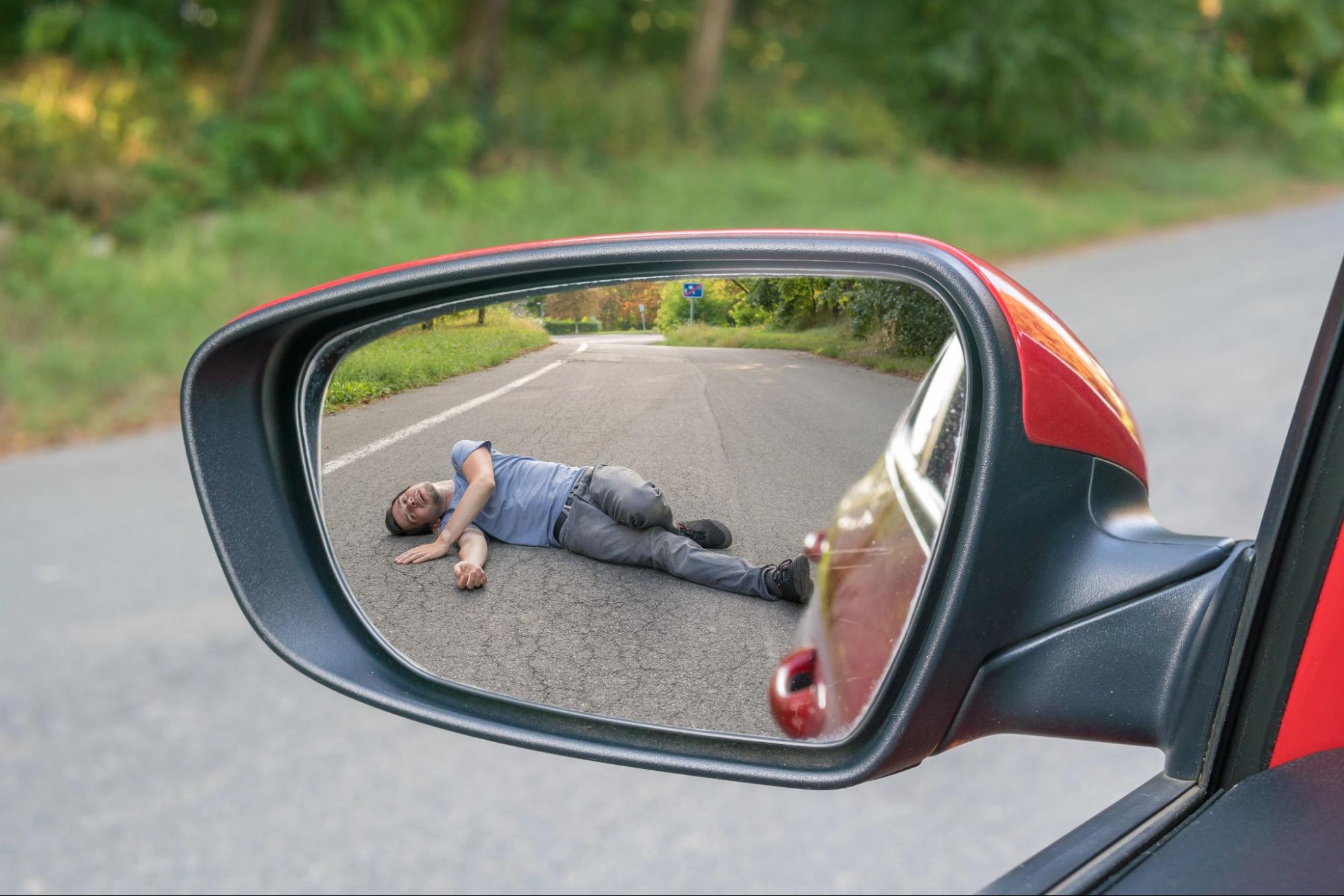
When someone is involved in a motor vehicle collision in Philadelphia, one of the most important legal obligations under Pennsylvania law is not to flee the scene. Failing to fulfill this duty, commonly referred to in everyday language as “leaving the scene of an accident,” can transform what might have been a stressful incident into a criminal case with serious consequences. At Zavodnick & Lasky, we help clients understand these obligations, their rights, and what to do if they or someone they love has been affected by a hit-and-run.
Anyone involved in an incident where the driver was seen leaving the scene of an accident in Philadelphia can get in touch with Zavodnick & Lasky (215) 774-6467 for assistance. Our lawyers have been providing successful legal counsel for more than 30 years and have built a reputation on trust and personalized attention.
What “Leaving the Scene of an Accident” Means Under Pennsylvania Law
In Pennsylvania, the vehicle code explicitly requires drivers involved in certain types of accidents to remain at the scene and comply with specific duties. For crashes that result in injury or death, the law mandates that the driver must immediately stop at the scene and remain there until they have fulfilled statutory duties under Title 75 of the Pennsylvania Consolidated Statutes. These duties include providing identifying information and rendering aid if necessary.
This obligation shows that “leaving the scene of an accident” isn’t just a figure of speech: it’s a statutory requirement tied to public safety and accountability.
Summary
Leaving the scene of an accident in Philadelphia carries serious criminal, administrative, and civil consequences under Pennsylvania law.
- Pennsylvania law requires drivers involved in accidents to stop, provide identifying information, render reasonable aid, and, in certain cases, notify law enforcement.
- Failure to meet these duties can result in misdemeanor or felony charges, license suspension by PennDOT, and potential civil liability for injuries and property damage.
- Even accidents involving unattended property trigger legal obligations, including notifying the owner or police and leaving written contact information.
- This topic is frequently addressed by personal injury attorneys at Zavodnick & Lasky, who work with individuals affected by motor vehicle accidents throughout Philadelphia and the surrounding areas of Pennsylvania.
Duty to Provide Information and Render Aid
When a crash involves bodily injury, death, or any attended vehicle or property, Pennsylvania law requires the driver to give the other parties their name, address, vehicle registration number, and, upon request, driver’s license and proof of insurance. You must also provide reasonable assistance to anyone who is hurt, including arranging transport to medical care if it’s evident that help is needed or the injured party requests it.
This statutory duty reflects a broader societal expectation: drivers who are involved in accidents must not only stop but must also try to prevent further harm. Failing to meet these duties by leaving the scene can lead to criminal charges.
Specific Obligations for Accidents Involving Property Damage
Pennsylvania law treats collisions with unattended vehicles and property with similar seriousness. Even if no one is physically present, you must stop and either locate and notify the owner of your contact and insurance information or securely attach a written notice with that information to the unattended vehicle or property. You are also required to notify law enforcement promptly.
Many motorists mistakenly believe that minor property damage or a parked car collision doesn’t trigger legal responsibilities, but this is incorrect. Not leaving required information and failing to report the crash immediately can expose a driver to criminal charges, even if there were no injuries.
Reporting the Accident to Police
Separate from the duty to provide information on scene, Pennsylvania’s vehicle code also includes an obligation to notify law enforcement immediately in certain situations, such as when there is injury, death, or the vehicle cannot be driven safely from the scene. This notice must be by the quickest means of communication.
This is another area where confusion can arise: it’s not enough to stop and exchange information — you must ensure the proper authorities know about the crash when the statutory threshold is met.
Criminal Charges and Penalties
The legal consequences for leaving the scene of an accident in Pennsylvania vary based on the severity of the event and harm caused:
Under Title 75, failure to stop and render aid in a crash resulting in personal injury or death is itself a criminal offense. Generally, if you are found guilty of leaving the scene where someone was injured or killed, this violation is treated as a criminal charge rather than a mere traffic infraction.
- Misdemeanor Offenses: Leaving the scene of an accident involving only property damage or an attended vehicle can be charged as a third-degree misdemeanor. While less serious than a felony, a conviction can involve fines and jail time, and it will show up on your criminal record.
- Felonies for Injury or Death: When someone is seriously injured, departing the scene without fulfilling statutory obligations becomes a third-degree felony. If the crash results in death, it can rise to a second-degree felony, carrying substantial mandatory minimum prison terms and fines under Pennsylvania law.
These penalties reflect how the Commonwealth values responsibility and public safety. Prosecutors in the Philadelphia region routinely pursue these charges aggressively, especially in cases with significant injury or loss of life.
Administrative Consequences
In addition to criminal charges, individuals who leave the scene of an accident can face administrative sanctions from the Pennsylvania Department of Transportation (PennDOT). These can include driver’s license suspension, increased insurance premiums, and other long-term impacts to your driving record.
Even if someone’s insurance company does not pursue a claim, a criminal conviction or hit-and-run charge can result in severe professional and personal consequences, from employment issues to complications with professional licensing.
Civil Liability Beyond the Criminal Case
Drivers who leave the scene of an accident can also face civil lawsuits from injured parties seeking compensation for medical expenses, lost wages, pain and suffering, and more. Leaving the scene may make a defendant’s liability more clear in civil court and may even support punitive damages in egregious cases.
If you were injured by a driver who fled the scene, you may have a claim against your own uninsured motorist coverage if the other party is not identified, though insurers typically attempt to limit payouts in these situations.
How A Philadelphia Personal Injury Firm Can Help
Leaving the scene of an accident in Philadelphia and throughout Pennsylvania is a serious legal matterwith consequences that extend far beyond an initial traffic stop. The duties to stop, provide information, render aid, and report to law enforcement are grounded in the state’s vehicle code and reflect the law’s emphasis on safety and accountability.
Whether you are dealing with criminal charges or pursuing compensation after being wronged by someone who fled the scene, legal guidance matters. At Zavodnick & Lasky, we’re here to help you understand your rights and navigate the complex intersection of traffic law and personal injury. If you are facing these challenges, contacting experienced counsel promptly can make a significant difference in the outcome. Contact an experienced Philadelphia car accident lawyer today at Zavodnick & Lasky today (215) 774-6467.
FAQs:
What Does Leaving the Scene of an Accident Mean in Pennsylvania?
Leaving the scene of an accident refers to failing to stop and comply with legal duties after being involved in a motor vehicle collision. Pennsylvania law requires drivers to remain at the scene and complete specific actions depending on whether injuries, death, or property damage occurred.
Is Leaving the Scene of an Accident a Criminal Offense in Philadelphia?
Yes, leaving the scene of an accident can result in criminal charges under Pennsylvania law. The severity of the charge depends on whether the accident involved property damage, bodily injury, or death.
What Information Must Drivers Exchange After an Accident?
Drivers must provide their name, address, vehicle registration number, and, upon request, a driver’s license and proof of insurance. When injuries are involved, drivers must also provide reasonable assistance to injured victims, including arranging medical care if needed.
What Are the Penalties for Leaving the Scene of an Accident Involving Property Damage?
Accidents involving only property damage may result in misdemeanor charges. Penalties can include fines, possible jail time, and a criminal record, in addition to potential civil liability.
How Does Pennsylvania Law Treat Accidents Involving Injury or Death?
When an accident results in serious bodily injury or death, leaving the scene may lead to felony charges. These offenses carry significantly higher penalties, including lengthy prison sentences and substantial fines.
Are There Driver’s License Consequences for Leaving the Scene?
Yes, PennDOT may impose administrative penalties such as license suspension. These consequences are separate from criminal court proceedings and can affect a person’s ability to drive legally in Pennsylvania.
Can Someone Face Civil Liability After Leaving the Scene of an Accident?
Yes, individuals who leave the scene of an accident may face civil claims for medical expenses, lost income, and other damages. Leaving the scene may also influence how fault and damages are evaluated in a civil case.
How Can Zavodnick & Lasky Assist With These Matters?
The team at Zavodnick & Lasky works to ensure clients understand their rights and potential legal paths after accidents involving allegations of leaving the scene. Consider visiting with an experienced attorney at Zavodnick & Lasky to learn more about available legal options under Pennsylvania law.
