

Ryan Zavodnick | June 15, 2025 | Car Accidents
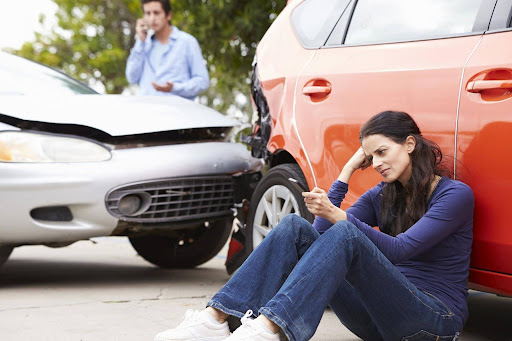
Rideshare companies like Uber and Lyft have become staples of the transportation industry in recent years, carrying passengers all across major cities in the United States and around the globe. A study conducted by the National Library of Medicine suggested that ridesharing may reduce the rate of alcohol-related car accidents. However, roads are no less dangerous for Uber or Lyft drivers than they are for the average driver. The study in question did not note an overall decrease in injuries from accidents. As rideshare accidents may be just as common as car accidents, passengers may benefit from a thorough understanding of rideshare accident liability.
Rideshare accidents may be similar to car accidents on the surface, but behind the scenes, rideshare accidents may involve an unexpected level of legal complexity. Similar to trucking accidents, the employer of a rideshare driver may bear some of the fault. Additionally, insurance policies may differ for Lyft or Uber drivers from those for average drivers in Pennsylvania. These legal complexities can be challenging and overwhelming, particularly if you are dealing with injuries and financial instability due to a car accident.
Consider speaking with an experienced Philadelphia car accident attorney from Zavodnick & Lasky to discuss the legal particulars of your case. Schedule a consultation today by calling the office at (215) 774-6467.
Who is Liable for Rideshare Accidents?
One of the primary legal challenges associated with Rideshare accidents is determining liability. In a car accident, liability may be straightforward and simple. If there were two drivers, observing the crash scene and collecting evidence can usually determine which party was at fault for the car accident. However, rideshare drivers are employed by a company that may manage their insurance or bear some responsibility for the accident. Understanding how these factors impact a rideshare accident case could help clarify who is liable.
Rideshare Driver
Negligence on the part of the rideshare driver could be a driving factor in the case. As with other drivers on the road, rideshare drivers are expected to maintain awareness of their surroundings, drive responsibly, avoid drugs and alcohol that could impair their driving ability, and adhere to Pennsylvania traffic laws. If the driver is not abiding by these laws, they may be held liable to a degree. Additionally, off-duty rideshare drivers may not be covered by their rideshare company’s insurance, as they are considered contractors by most companies and are not necessarily under the company’s jurisdiction when they are off-duty.
Rideshare Company
However, in certain circumstances, the rideshare company may be held partially liable for rideshare accidents. These companies also have laws and standards they must adhere to, and negligence in these areas could imply liability for the company instead. For example, rideshare companies are expected to ensure their drivers meet a certain standard to be employed, potentially including drug testing and verifying the status of their license. Failure to meet these standards may mean that the company is partially liable for its rideshare accidents.
Filing an Insurance Claim Against a Rideshare Company
Whether a traditional car accident or a rideshare accident, one of the most difficult aspects of dealing with the aftermath of an accident is negotiating with insurance companies. This can become even more difficult with Pennsylvania’s unique insurance laws and the added layer of complexity that comes with filing against a rideshare company instead of another driver. Many rideshare drivers are covered by their companies, as the insurance requirement for rideshare drivers is generally much higher than standard drivers.
For those filing insurance claims against rideshare companies, a skilled Philadelphia car accident attorney from Zavodnick & Lasky could help.
No-Fault Coverage Vs. Traditional Fault Coverage
Insurance law in Pennsylvania is governed by Title 75, Chapter 17 of the Pennsylvania Code. One of the features that makes the Pennsylvania insurance law unique is that they are one of several states in the United States that offers a “choice no-fault” policy for auto insurance. No-fault insurance covers damages regardless of who was at fault in the accident, though there are several restrictions on what damages can be covered. Traditional fault coverage compensates the opposite party for damages incurred by the at-fault party. Understanding the respective insurance plans of both drivers can help inform a car accident or rideshare accident case.
Establishing Liability
After clarifying which policy is at play in these rideshare accidents, one must then prove the liability of the at-fault party. Naturally, this only applies if the policy at play is a traditional fault policy. Once this is established, it is the injured party’s responsibility to prove the fault of the other party. This is why taking extensive photographs and videos of the crash scene, as well as collecting witness contact information, can be so crucial in a car accident. These details and pieces of evidence can all be used to establish liability when negotiating with insurance companies.
Differences Between Car Accidents and Rideshare Accidents
Car accidents and rideshare accidents share many common features, but they also differ in several distinct ways. Understanding these differences could help the injured party secure fair compensation for their injuries, whether they are injured in a rideshare accident or a car accident. Rideshare accidents may be slightly more complex, but with the help of a skilled attorney, these challenges can be overcome.
Liable Parties
One of the more prominent differences between car accidents and rideshare accidents is the number of potentially liable parties. With car accidents, it is a matter of determining fault between the drivers. However, with a rideshare company such as Lyft or Uber in the mix, the task of determining fault becomes much more difficult. This may be further complicated by the various types of insurance available to Pennsylvania citizens, as traditional fault and no-fault insurance may cause additional complications.
Filing Claims
Filing a claim against a rideshare company may also prove to be a challenge. Rideshare companies aim to protect their resources by combating false claims on their insurance, which means they may argue more aggressively against your claim. Negotiating with insurance adjusters can be challenging and overwhelming, particularly when one is recovering from injuries sustained in car or rideshare accidents.
Speak With a Philadelphia Car Accident Lawyer Today
Rideshare accidents and car accidents, while unique in their legal implications, can both lead to significant injuries, lost wages, pain and suffering, property damages, and more. Understanding how to navigate and negotiate a car accident claim in Philadelphia could help the injured party receive fair compensation. A seasoned Pennsylvania car accident attorney from Zavodnick & Lasky may be able to help. Consider scheduling a consultation today by calling the office at (215) 774-6467 for more details.
