


Injuries from accidents can be challenging and frustrating, leaving victims dealing with both pain and suffering as well as the financial burden of medical bills and lost wages. However, many common injuries heal quickly, allowing the injured party to return to their daily affairs and continue with their lives. However, this is generally not the case with brain injuries. The brain is a complex and highly sensitive organ that regulates much of the body’s activity, and it is one of the most heavily protected organs in the body. However, in severe accidents, these protections may not be enough, leading to brain injuries.
Unlike most normal bodily injuries, brain injuries can have lasting and incurable consequences for the victim. While most other cell types repair themselves, neuron cells, which make up the majority of the brain’s tissue, stop replicating at a certain point in an adult’s life. This means that some brain injuries can have lasting effects on the lives of brain injury victims. As such, there may be different types of compensation available to brain injury victims. A seasoned Wilmington brain injury lawyer from Zavodnick & Lasky may be able to evaluate a brain injury case and advise a course of action. Call to schedule a free consultation now at (215) 999-6742.
Understanding Brain Injuries
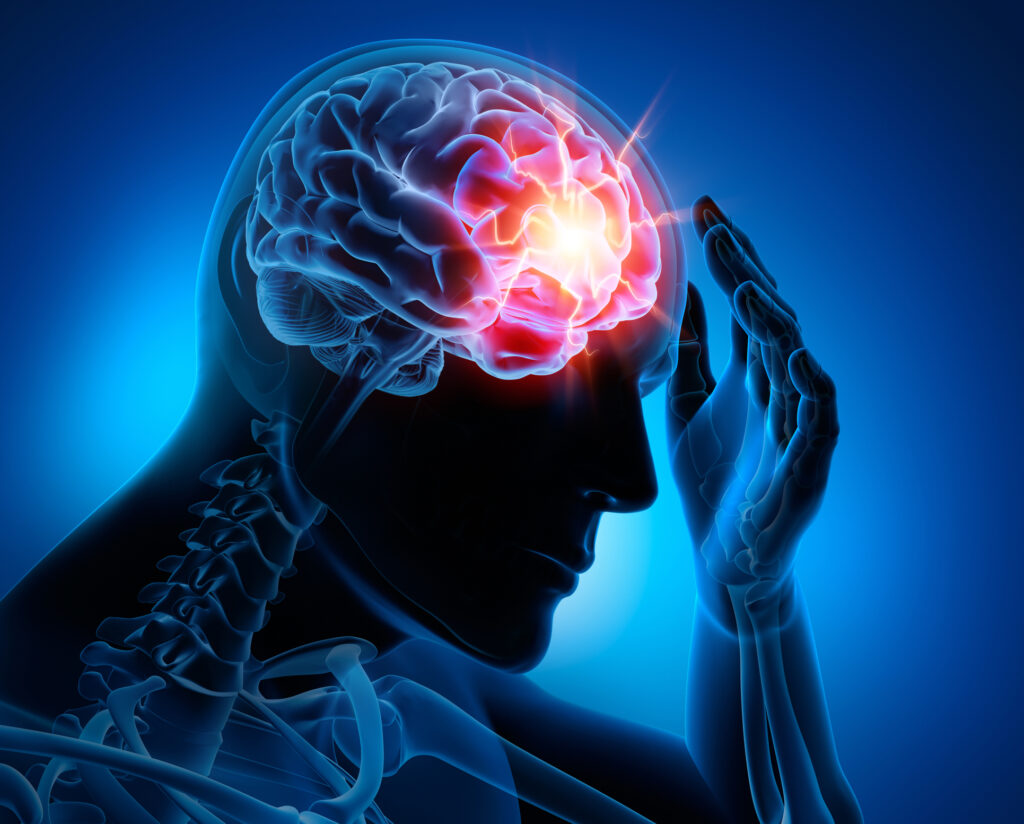
Because the brain, as an organ, is so complex and sensitive, there are many different types and causes of brain injuries. Additionally, these brain injuries can vary from mild to severe. Mild brain injuries generally have few to no permanent effects on the victim and can generally be recovered from with time and treatment. However, severe brain injuries can have permanent and devastating effects, including paralysis, comas, and even death. Understanding how to identify and address brain injuries, however, could help individuals find treatment early and improve their chances of mitigating some of the negative effects of a brain injury.
Traumatic Brain Injuries (TBIs)
The brain has many inherent defense systems built into the body, namely the skull, cushioning fluid inside the brain cavity, and even the body’s innate reflexes. However, external forces can still damage the brain, leading to a traumatic brain injury, or TBI, according to Mayo Clinic. Traumatic brain injuries occur when an external force impacts the victim’s head, leading to brain damage. Traumatic brain injuries can include more mild injuries, such as concussions, and severe injuries, such as hemorrhaging and foreign objects piercing the skull. TBIs are also categorized as open head and closed head injuries. Open head injuries involve a fracture of the skull that introduces foreign objects into the skull cavity, whereas closed head injuries usually involve the brain colliding with the interior wall of the skull.
Non-Traumatic Brain Injuries (NTBIs)
However, traumatic brain injuries are not the only kind of injury to be aware of. While TBIs are more common in car accidents, slip and fall accidents, and other scenarios, individuals can also be victims of non-traumatic brain injuries. A non-traumatic brain injury does not involve external forces, but usually stems from a deprivation of important biological resources like oxygen, the introduction of toxins, or slow pressure from a tumor. These may include hypoxia, strokes, tumors, or diseases. Non-traumatic brain injuries could be the result of near-drowning or medical malpractice. The Brain Injury Association of America may have more clarifying details on the differences between TBIs and NTBIs.
Symptoms and Consequences
Brain injuries can be difficult to diagnose and address, as there are many symptoms and many types of brain injury. Additionally, some symptoms may be immediately evident and others may not be so easy to identify. However, the most common symptoms of brain injuries include headaches, nausea, vomiting, unexpected drowsiness, speech issues, loss of consciousness, sensory issues, cognitive impairment, memory issues, and changes in mood or sleep patterns. Identifying the symptoms of a brain injury may help individuals get help quickly, which could reduce the risk of permanent damage. Additionally, it is important to note that these symptoms could be delayed, appearing even days after the original incident.
Common Causes of Brain Injuries
Brain injuries have numerous causes and can happen unexpectedly. Some of the more common causes of traumatic brain injuries are vehicle accidents. The force involved in vehicle accidents, generated by the sudden stop of the vehicle in the crash, is often enough to knock the driver’s head against the steering wheel or airbags. This collision can lead to concussions or worse, depending on the accident. Additionally, severe car accidents or motorcycle accidents could lead to open head TBIs if the skull is fractured or pierced by foreign material like glass, metal, or bone in the crash.
However, this is not the only cause of brain injuries. Near-drowning accidents, slips and falls, surgical injuries, and more can all lead to brain injuries of varying severity. Understanding how and why brain injuries occur may be key to navigating a brain injury lawsuit. If the brain injury was due to negligence, the injured party may be eligible for compensation.
What Does a Brain Injury Claim Involve?
Brain injury claims or lawsuits can be challenging, particularly depending on the type of brain injury involved and the type of negligence that led to the injury. However, in general, a Wilmington brain injury attorney will meet with the client or their representative and evaluate the case. Once this evaluation is complete and a legal strategy is determined, the attorney will collect evidence such as medical records, witness testimony, and other physical and photographic pieces of evidence to construct a case. The brain injury attorney must then connect the defendant’s negligence of their duty to the damages suffered by the plaintiff, arguing that the defendant had a legal obligation that they did not fulfill, leading to the injury of the plaintiff. Then, based on the ruling of the courts, compensation may be awarded as the court sees fit.
Contact a Brain Injury Lawyer in Wilmington Today
Brain injuries can be frightening to think about, particularly when they are severe with long-lasting consequences. A severe brain injury could completely derail an individual’s life, leading to lost earning capacity and lost enjoyment of life. However, a skilled Wilmington brain injury attorney from Zavodnick & Lasky may be able to advocate for your rights and attempt to secure fair compensation for your injuries. Consider scheduling a free consultation today by calling the office at (215) 999-6742 for more details.
